Back
- Nursery
- Prep
- Senior
- Sixth
- Home
- Contact Us
- Admissions
- Boarding
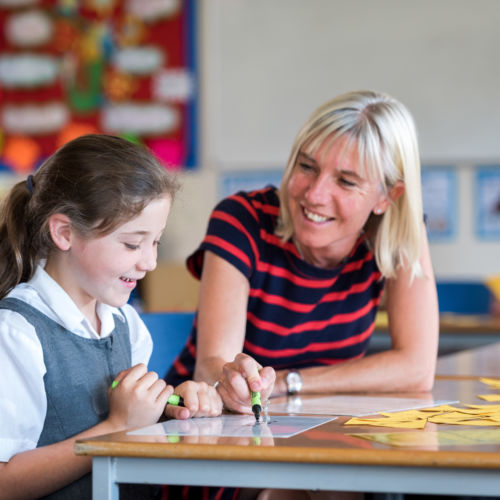
The beginning of Senior School is an exciting time for our pupils, designed to inspire curiosity, build confidence and create strong academic foundations for future success. With an average class size of just 22 pupils, pupils benefit from a highly engaging learning environment where teachers know each individual well. This personalised approach allows staff to understand every pupil’s strengths, provide tailored support and encourage them to achieve their full potential.

Across Years 7 – 9, pupils experience a broad and stimulating curriculum that balances academic challenge with creativity, practical learning and personal development. Whether exploring cells in Biology, studying medieval warfare in History, composing music, solving mathematical problems or developing coding skills in Computer Science, lessons are designed to spark enthusiasm and deepen understanding.
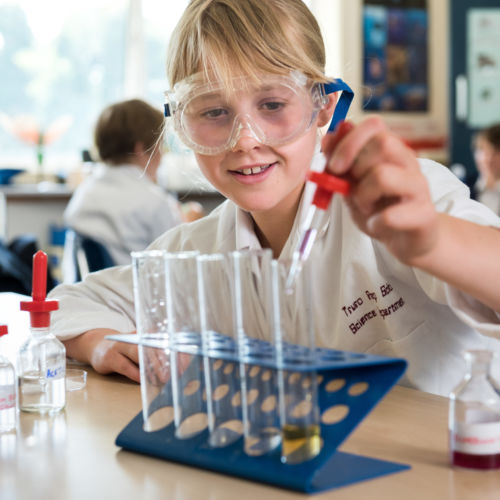
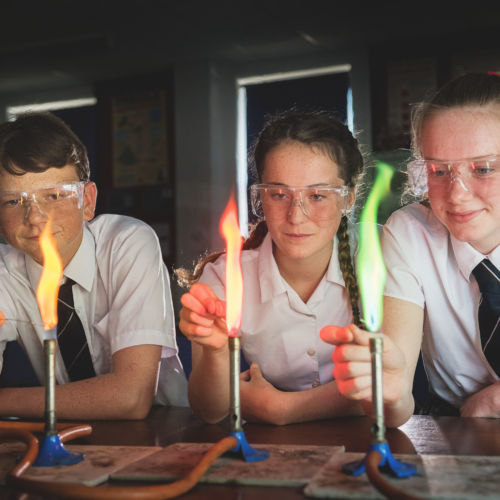
Pupils are encouraged to ask questions, think independently and embrace intellectual curiosity. This creates a distinctive classroom atmosphere where learning is active, collaborative and purposeful. From hands-on experiments in Science and design projects in Technology, to fieldwork in Geography and performance opportunities in English, Drama and Music, pupils are supported to discover new interests while developing resilience, confidence and ambition.
Languages remain a particular strength at Truro School, while creative subjects such as Art, Drama and Music are enhanced through clubs, workshops, performances and exhibitions. Sporting participation is equally valued, with regular Physical Education and Games programmes helping pupils to stay active and work as a team.
Alongside academic progress, pupils are guided through important personal development through PHSEE, covering wellbeing, relationships, online safety and decision-making as they grow through adolescence.
By the end of Year 9, pupils are academically prepared, personally confident and ready to make informed GCSE choices.
Subjects
Find out more about the subjects studied in Years 7 – 9 below.
Art
At Key Stage 3, pupils follow a carefully structured Art learning journey, designed to build strong foundations in visual language, creativity and technical skill. This journey, available to view on our website, ensures that every child is supported while also being encouraged to explore ideas, experiment with materials and develop confidence in their own creative voice.
Pupils are taught in three large, purpose‑built and well‑equipped Art studios. During lessons, they work with a wide range of media and techniques, including drawing, painting, sculpture, printmaking, ceramics and digital media. They are taught how to use sketchbooks effectively to record ideas, develop projects and reflect on their learning.
Students study a broad range of artists, from classical through to contemporary practice, exploring diverse cultures and creative traditions from around the world. They also benefit from access to the Heseltine School collection, which features work by leading Cornish artists and provides strong links to the local creative community. Two specialist Art technicians support pupils in lessons and beyond, helping them to work safely and confidently.
All pupils are encouraged to attend after‑school Art clubs, including life drawing, where they can develop skills further in a calm, focused studio environment.
Our aim is to nurture independent, curious and creative young people who develop a genuine passion for Art and produce work that is both personal and of a high standard, within an atmosphere that is enjoyable, challenging and rewarding.
Biology
In Year 7, pupils begin the course by studying Cells and developing their microscope skills. They then go on to study Reproduction in Plants and Humans as well as Variation, Inheritance, Evolution, and Interdependence.
Pupils in Year 8 enjoy a diverse course including the Musculoskeletal System, Nutrition and Digestion, Respiration, Breathing, and Photosynthesis.
In Year 9, pupils begin studying the AQA GCSE Biology syllabus, where they explore Biology, Chemistry and Physics as separate subjects.
Chemistry
For Years 7 and 8 we aim to encourage and extend the ablest through our teaching and in competitions such as the Salters’ Festival of Chemistry and the Royal Society of Chemistry’s Top of the Bench competition.
In Year 9, pupils start their AQA GCSE Chemistry course. During the course they observe molecular modelling and the use of ICT to help them visualise the microscopic world.
Computer Science and ICT
In Year 7, pupils have taught ICT lessons where they are introduced to the software available on the school network, Virtual Learning Environments, including Moodle and Cloud computing. They are also taught how to work safely online. Pupils are introduced to programming, with a choice of languages and other opportunities, for example stop motion animation.
In Year 9, all pupils follow the AQA Functional Skills course, which equips them with the knowledge required to be digitally competent and fluent in IT skills. This Level 2 course is equivalent to a GCSE and is examined during a week long period in the spring.
Design Technology
In Key Stage 3 pupils will undertake three projects each year, which become progressively more challenging. These seek to provide students with an opportunity to be creative and develop their problem-solving skills through handling a mixture of materials, tools and (CNC) machinery. They will learn confidence through practical work in our very well-accommodated workshops, as well as how computer-aided design supports ‘modern-day’ manufacturing.
Our aim is to inspire in pupils a love for design and manufacture, and an appreciation for materials and the environment, through developing an appreciation of how traditional methods and contemporary practices can complement each other.
Drama
Although drama is not a curriculum subject in the first two years, there is no shortage of opportunities for those with theatrical leanings. Each year there is a junior play in the summer term, and can be taken as a Wednesday afternoon activity.
In collaboration with the English Department, a Shakespeare Festival is held for all Year 8 students. During this event, every member of the year group performs on stage in a Shakespeare-focused dramatic presentation.
Drama can be taken as an option in the Year 9. Pupils develop core performance skills and explore various genres mainly through practical work.
English
Enrichment of the curriculum through active learning and co-curricular activities is vital to our approach. The Year 8 annual Shakespeare Festival is one example, when weeks of classroom work culminates in each tutor group performing Shakespeare plays. Other examples include:
The weekly Junior Readers’ Club, the annual Junior Bookworm Competition, the Kids’ Literature Quiz, Poetry Writing and Speaking competitions, the Everybody Writes workshop and script writing activities
Geography
In Year 7 and 9, we cover a variety of topics such as Map Skills, Tectonics, Settlements, Coasts, Crime and Rivers. Fieldwork is completed so that pupils can appreciate data collection and develop a range of skills.
In Year 9, pupils consider topics such as Globalisation, Development and Tourism. At all times we integrate the importance of Map Skills, Data Manipulation and Interpretation.
History
In Year 7, pupils focus on Medieval England. They study the Norman Conquest, the lives of different social groups in Medieval England and medieval warfare. The Year 8s follow the English Reformation, the Civil War and ‘Glorious Revolution’ and the transformation of Britain into an industrial power in the 18th and 19th Centuries. Year 9 looks at the First World War, the rise of the Nazis and the pivotal episodes of the Second World War.
Mathematics
In Years 7–9, all pupils follow a common, carefully structured mathematics course designed to ensure depth, confidence and continuity of learning. Assessments are used regularly to support recall of prior topics, consolidate current learning, and provide opportunities for stretch and challenge, including through UKMT-style problem‑solving questions.
The curriculum fully covers the National Curriculum requirements in depth, while also offering opportunities to explore areas such as financial mathematics and real-life applications. In Year 7, all pupils take part in the UKMT Junior Maths Challenge, with selected pupils invited to progress to further UKMT challenges in Years 8 and 9.
This broad and inclusive approach ensures that every pupil is well supported and appropriately challenged, enabling them to develop strong mathematical foundations and be well prepared for GCSE study. As pupils progress into Key Stage 4, they may follow Foundation or Higher Tier GCSE Mathematics pathways, with opportunities for pupils to study an additional Further Mathematics qualification.
Modern Foreign Languages
At Truro School, we pride ourselves on being one of the only schools in Cornwall offering three languages at GCSE. When studying languages, pupils learn to recognise patterns, understand grammatical gender, and build confidence when speaking in front of others. They develop key skills in writing, reading, listening, and speaking, while also gaining insight into the culture and traditions of different countries.
From September 2026, pupils starting in Year 7 will study two languages: French and Spanish. Students who wish to learn German will have the opportunity to do so in Year 9 through the ab initio programme. As the course will be delivered at an accelerated pace, it will be aimed at linguists who have already demonstrated proficiency in French and/or Spanish. It may also be suitable for those who have a special connection to German or Germany.
Year 7 pupils moving into Year 8 will continue studying their two chosen languages (German, French, or Spanish) as normal.
At the end of Year 8, pupils will choose whether to continue with one or two languages in Year 9. We encourage strong linguists to pursue their intellectual ability by continuing with both languages, as this can also make a meaningful difference when it comes to their GCSE choices the following year. If additional support is required, the Head of Modern Languages will advise on the best approach for each pupil.
GCSE languages are highly regarded by universities and are essential in today’s world, opening up opportunities for communication, travel, and future careers. In today’s interconnected world, a foreign language is increasingly regarded as more than an optional skill, it is a status.
Music
In the 1st and 2nd Years, all pupils have two music lessons each week. Lessons are designed to be fun and there is an emphasis on practical music making, with students being encouraged to compose, improvise and perform.
Physics
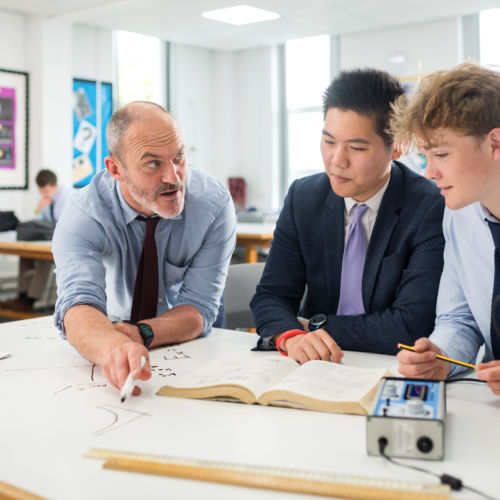
In Year 7, the pupils look at topics such as Astronomy (making use of the school telescope), Forces, Energy and Electricity. In Year 8 the pupils study Heat, Magnetism, Sound and Light. And in Year 9 pupils use more of their mathematical skills to help describe and explain the Physics. Pupils follow the AQA GCSE and GCSE subject material is introduced in Year 9 with the topics of Forces & Motion, Electricity and Radioactivity.
PSHE
The PSHE curriculum is reviewed and updated regularly in response to KCSIE updates, contextual safeguarding and trends and patterns identified through the work of the Pastoral Team. For the latest list of PSHE topics, please visit our Policy Page.
Physical Education
Physical Education is compulsory for all Year 7 – 9 pupils with a 100 minute lesson every other week. There is also a weekly games programme for Years 7 – 11. In both PE and Games, pupils are assessed at the end of each block of work (not year 10 and 11 games). We have an equal access curriculum with all of our sports and activities available for all of our pupils to participate in.
Religious Studies
Year 7 and 8 pupils enjoy a varied curriculum encompassing religion, philosophy and ethics. Topics include creation, rites of passage, moral decision making and arguments for the existence of God. A project on the school’s Methodist heritage develops pupils understanding in this important area.
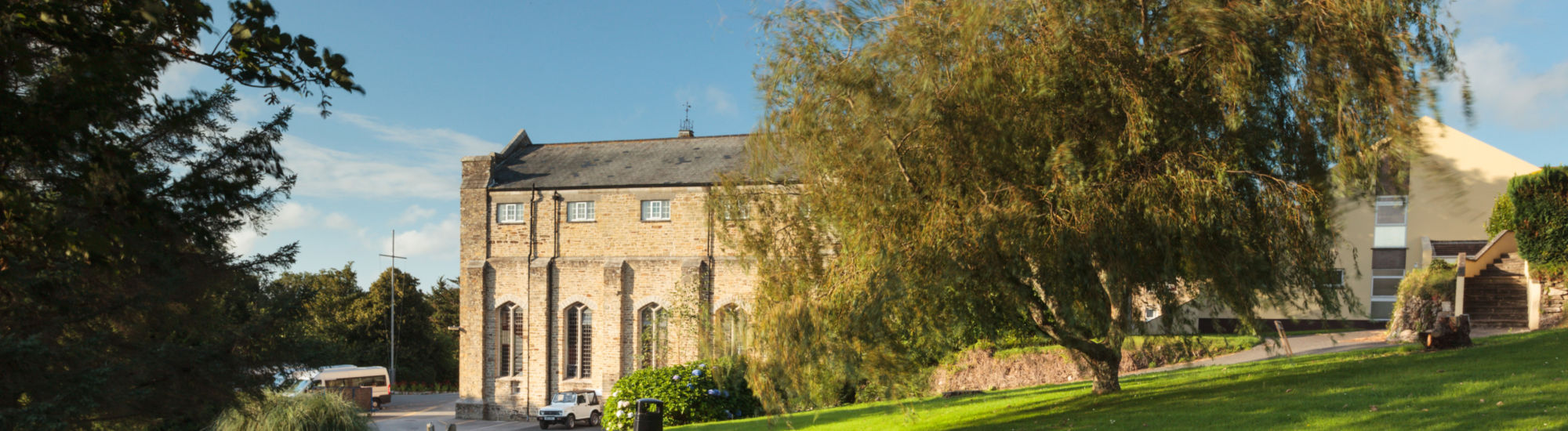
Our school motto, Esse Quam Videri (to be, rather than to seem to be), captures the essence of our identity and is defined by the 5 C's below. Underpinned by strong Christian principles, we are a caring and inclusive community which values, nurtures and develops each individual.
Click on the links below to find out more.
Curiosity to always want to discover and learn more, academically and more widely too.
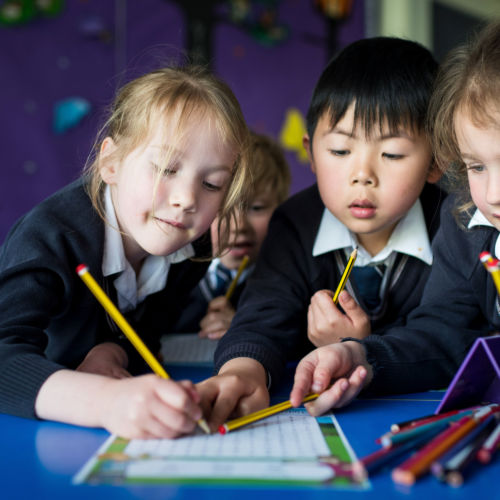
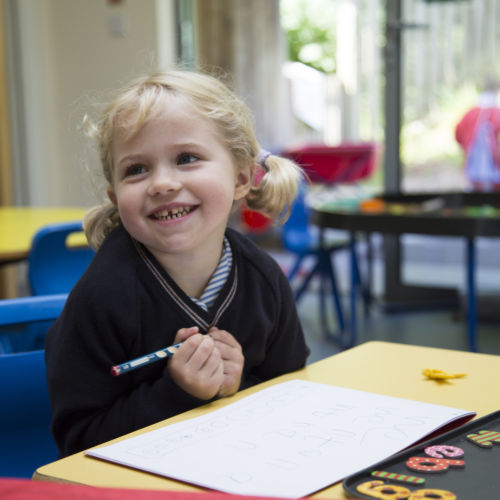
Because we believe that academic excellence is an important part of human excellence. Every child is an individual and we celebrate and develop their uniqueness, helping them to become an independent learner and encouraging each child to explore, understand and cultivate their talent and abilities, whatever they may be.
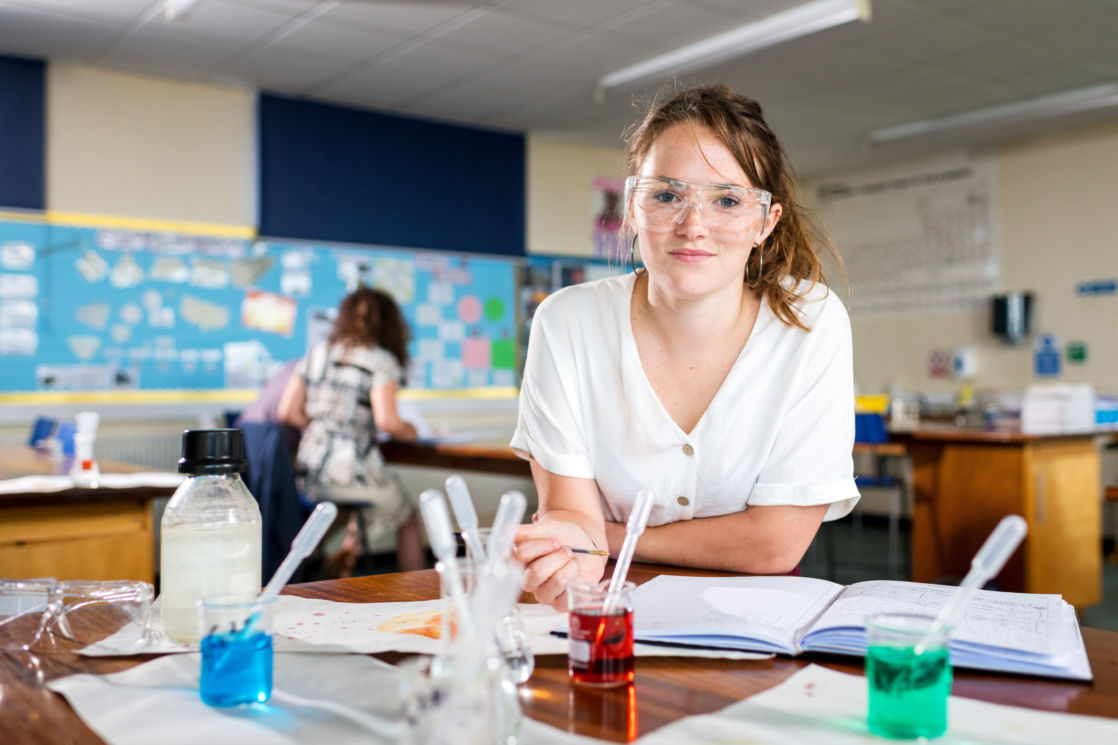
Compassion to understand and champion the needs of others, in our community and beyond.
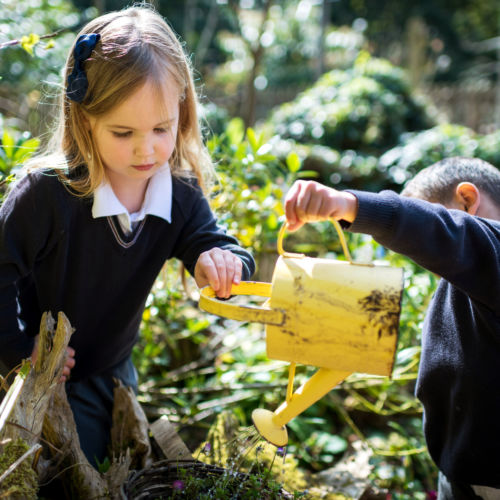
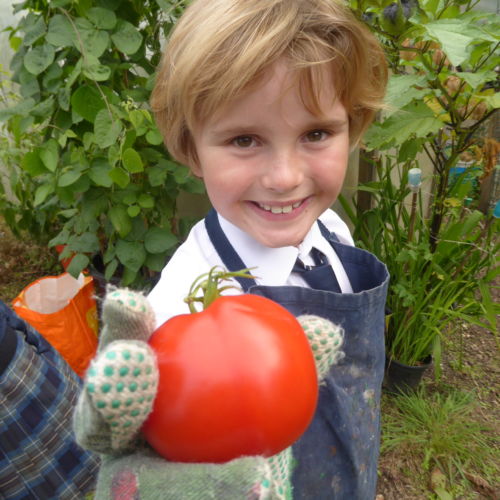
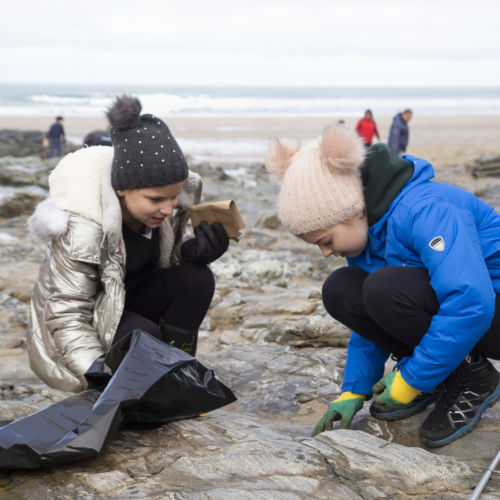
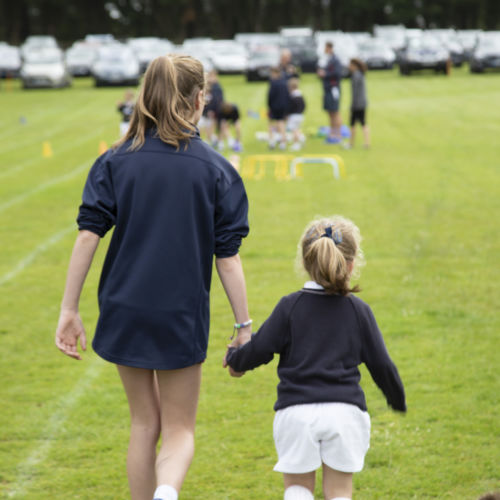
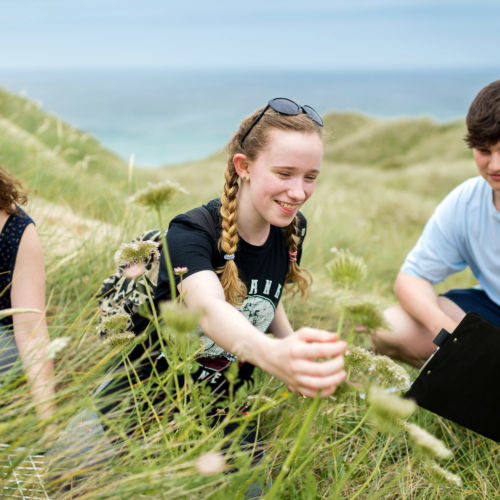
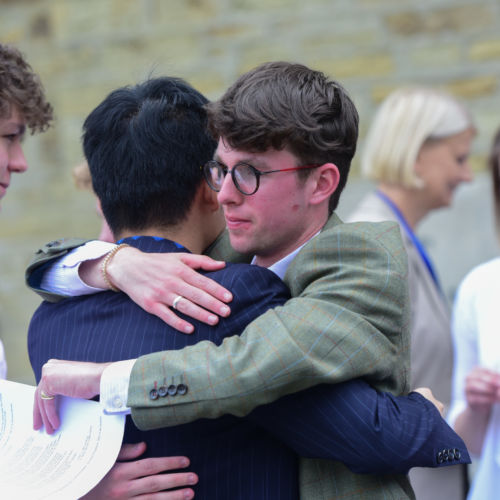
Because our mission challenges us to be a vibrant community which enables people to live their lives to the full and transform society for the better. Located in the heart of Cornwall, our distinctive, serene location supports the development of balanced, unpretentious and reflective children who understand their role as global citizens.
Confidence to build resilience by learning from both successes and failures alike.
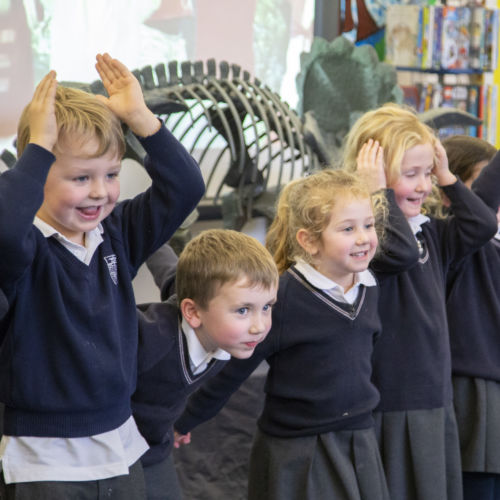
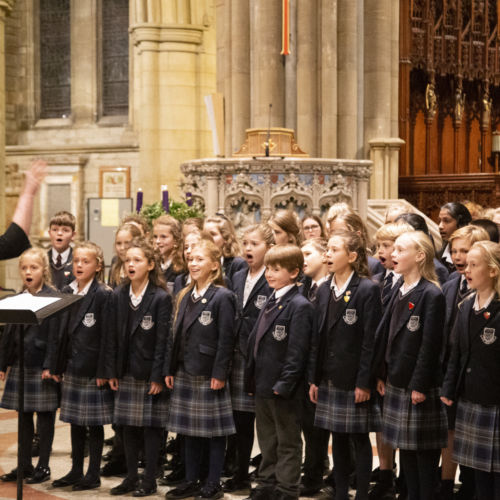
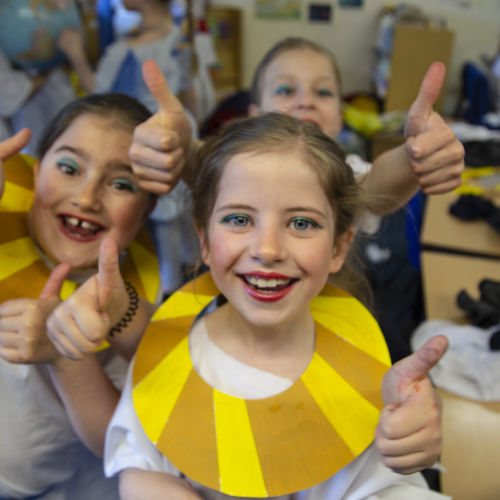
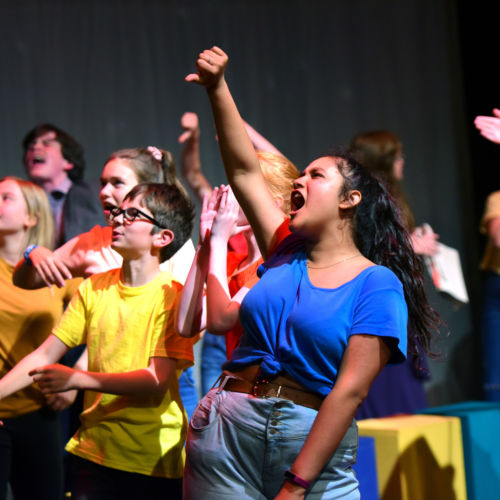
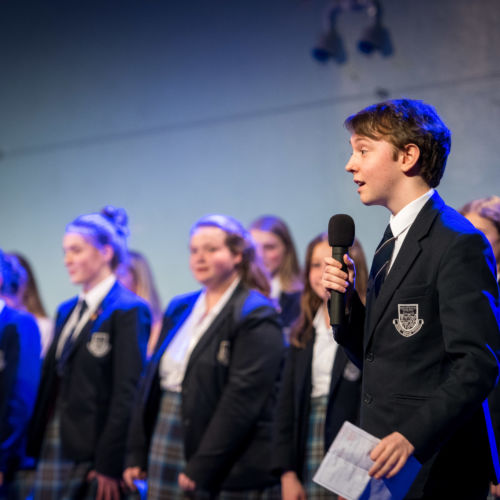
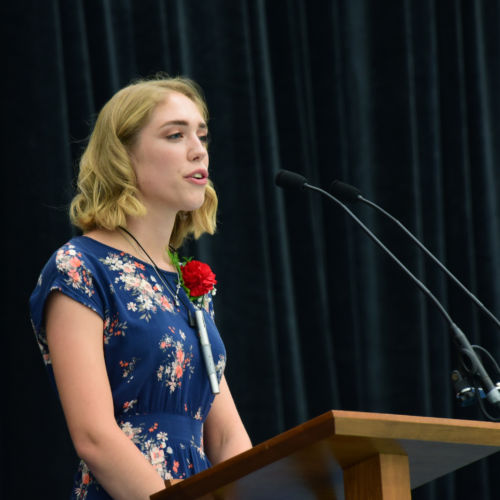
Because we want every pupil to be comfortable in their own skin, celebrating the uniqueness of each individual in the school community. Through drama, presenting and public speaking opportunities, as well as appearing in productions and concerts, pupils learn key communication skills and gain the confidence to prosper in the real world.
Creativity to be imaginative in how we express ourselves and approach new challenges.
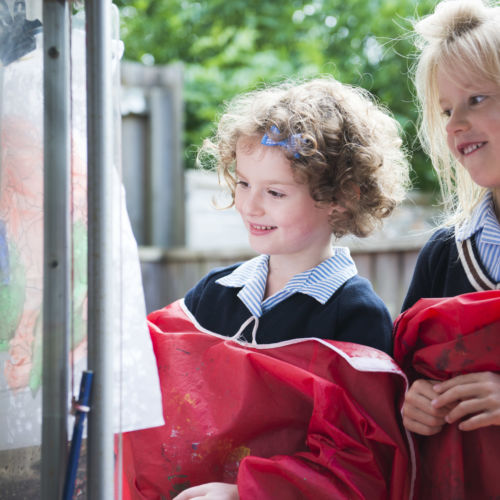
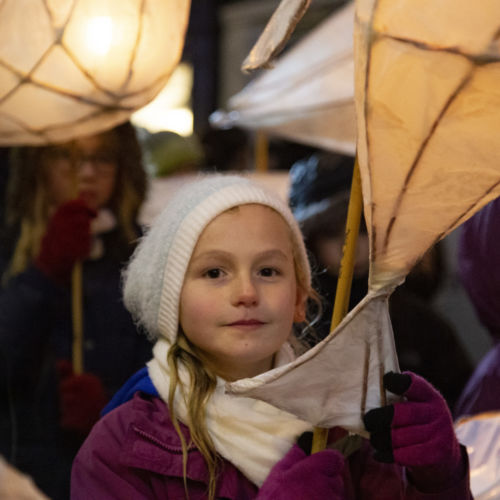
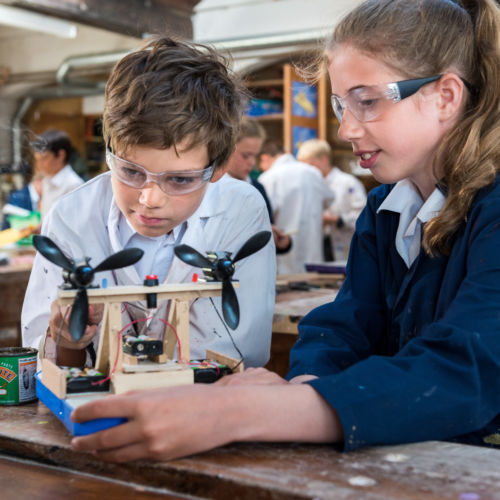
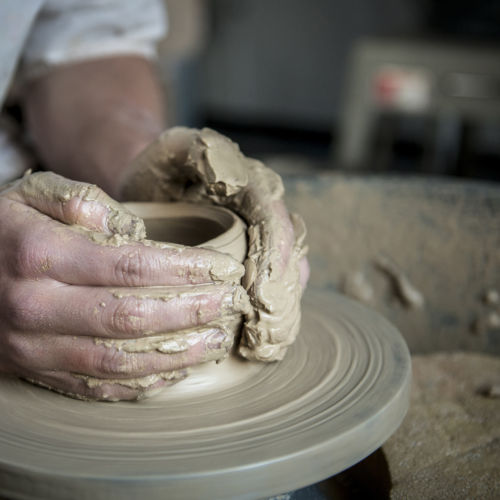
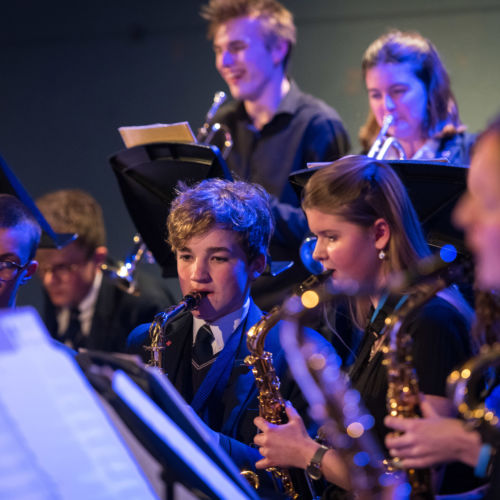
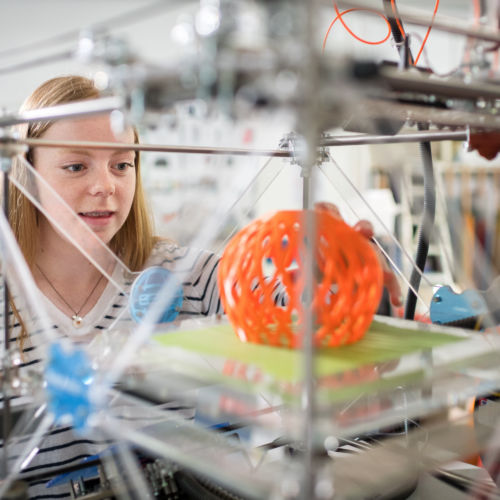
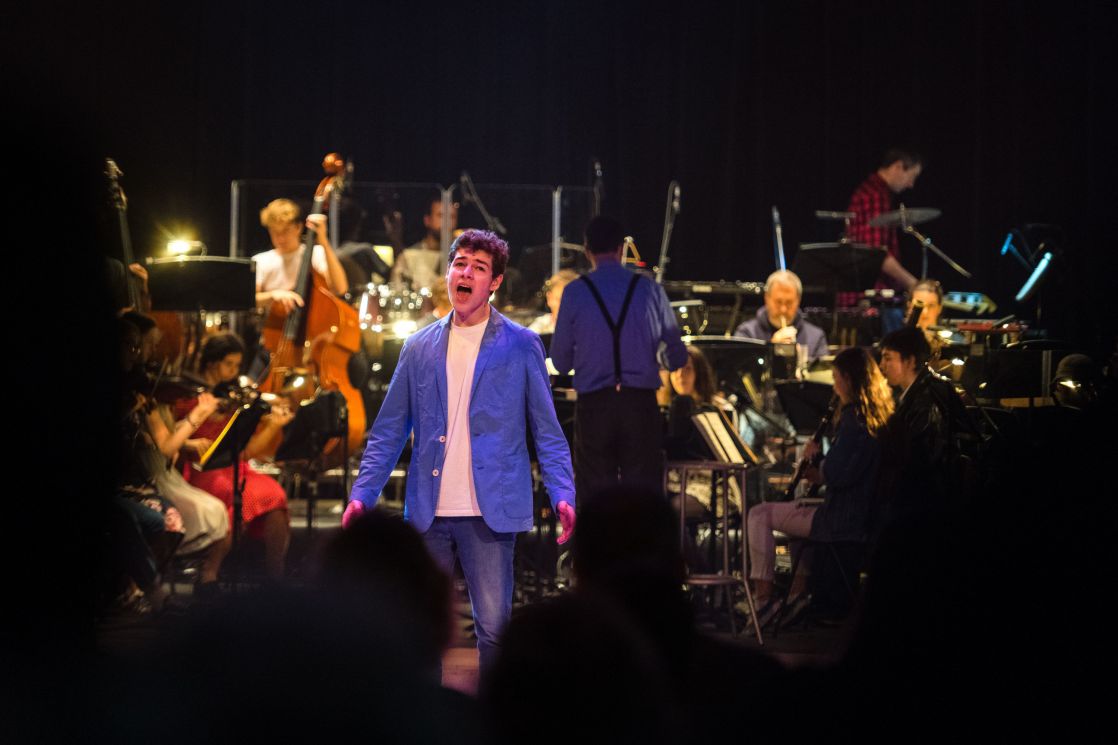
Because we value the development of pupils’ imaginative and creative dimensions as well as their characters. Through a broad curriculum and wide range of co-curricular activities, pupils discover the important balance between creative and logical thinking. These opportunities are fundamental to ensuring your son or daughter discovers their hidden gifts, developing a sense of individuality and a confidence in their own abilities.
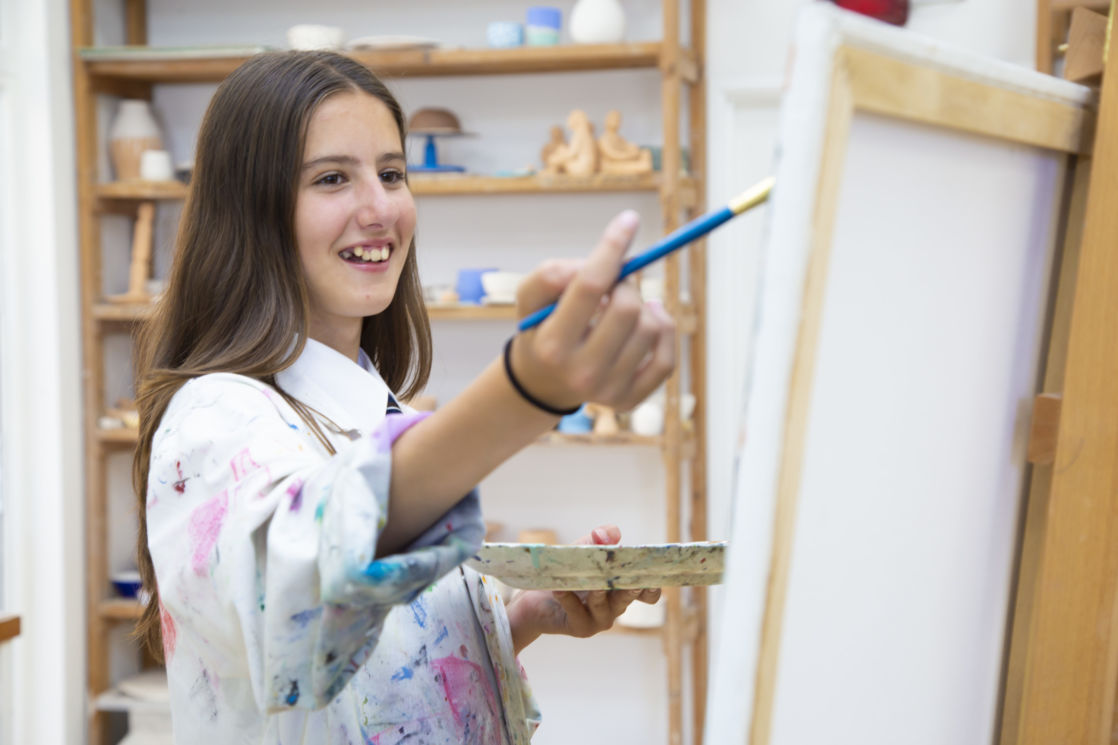
Courage to enjoy becoming the very best of who we are, with integrity and ambition.
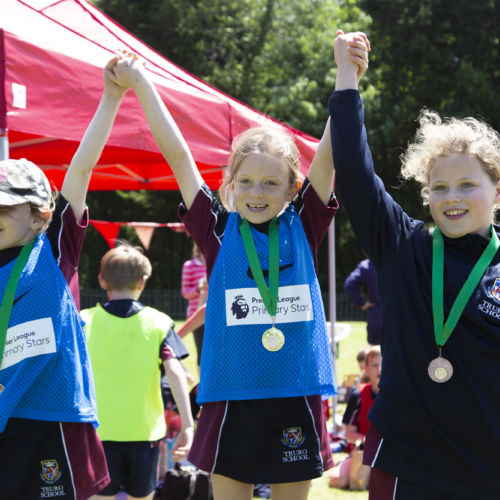
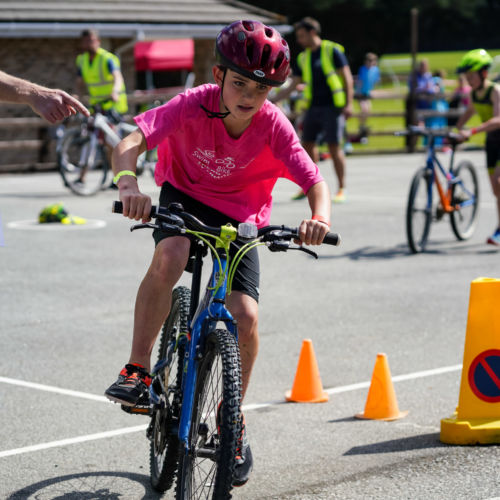
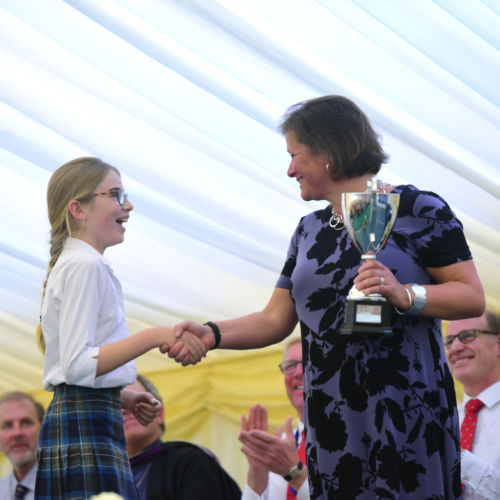
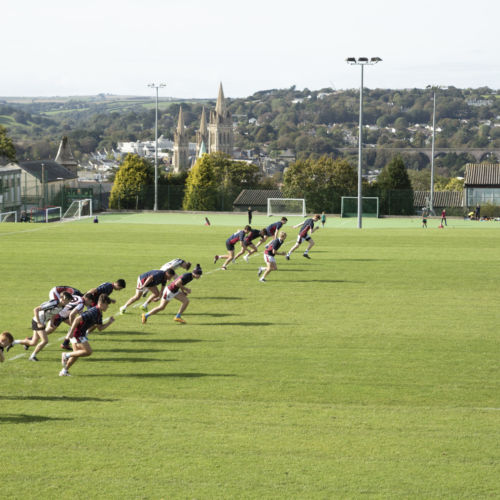
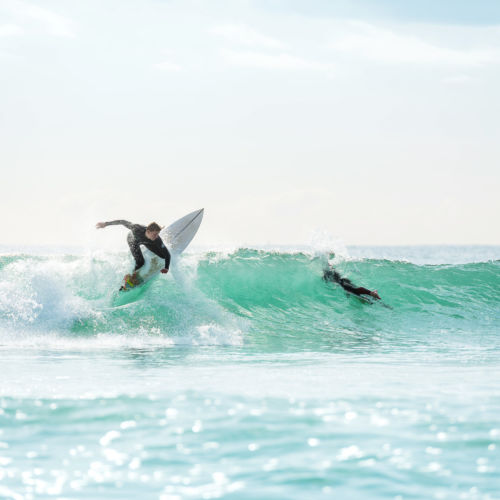
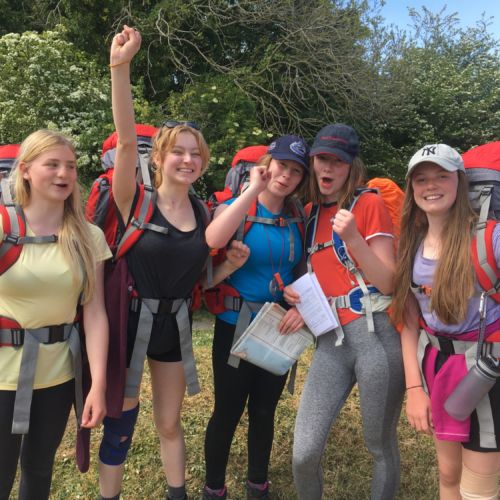
Because we believe that essential life skills are often best taught outside of the classroom, balancing an academic education. Through a wide-ranging co-curricular programme, we offer every child the chance to participate, perform and lead in the fields of their choice. In a competitive world these opportunities are fundamental to ensuring your son or daughter develops essential life skills and an ambition for life.


Truro School is part of the Methodist Independent Schools Trust (MIST)
MIST Registered Office: 66 Lincoln’s Inn Fields, London WC2A 3LH
Charity No. 1142794
Company No. 7649422